
This video shows two technical demonstrations of current research work on mobile technologies by the Wireless Networking Group... +
Home
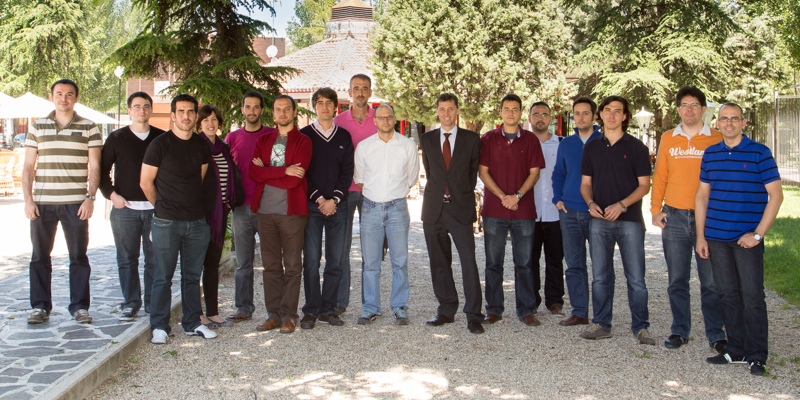 The Networks and Communications Services (NETCOM) Research Group, led by Professor Dr. Arturo Azcorra, is part of the Telematics Engineering Department at University Carlos III of Madrid. Detailed contact information can be found here.
NETCOM Research Group works in close collaboration with the international research Institute IMDEA Networks on various research projects and scientific activities. Their symbiotic relationship provides many opportunities for researchers in both organizations to exchange ideas and to extend their knowledge. The two groups conduct complementary research in the areas of network architectures, communication protocols, wireless and mobile networks, peer-to-peer systems and distributed services.
A career in research
We are seeking exceptional post-graduate candidates from around the World for a limited number of Research Assistant (“Ayudante”) positions within our team. This is a unique opportunity for young talented researchers to undertake their Ph.D. with financing for up to four years, subject to satisfactory performance. Successful candidates will be supervised by an expert tutor from either NETCOM Research Group or IMDEA Networks Institute.
News